Stress Doesn’t Always Look Like Stress
When we think about stress, we usually think about feeling anxious, overwhelmed, or having too much on our plate. But stress doesn’t always look like stress.
Sometimes it looks like being more tired than usual, your normal workout feeling harder, your digestion being off, not sleeping as well, being more irritable, or just feeling completely drained. Sometimes your mind is saying, “I’m fine. I’ve got this.” But your body might be saying something different.
Not All Stress Is Bad
Stress gets a bad reputation, but not all stress is something we need to avoid.
Exercise is a form of stress. Strength training challenges your muscles so they can adapt and become stronger. Running challenges your cardiovascular system. Learning something new, trying something outside of your comfort zone, or working toward a goal can challenge us in good ways too.
These are stresses we often choose because, with enough recovery, our bodies can adapt to them.
Then there’s the tougher stress—the things we may not choose. A difficult week at work, family responsibilities, illness, poor sleep, financial worries, relationship struggles, caring for someone else, or simply having too much happening at once.
Both types of stress place demands on us. That doesn’t mean exercise becomes bad when life gets stressful. It just means we have to remember that our bodies are working with the total load, not each stressor individually.
Your Body Feels All of It
We tend to put stress into separate boxes. Work is one thing. A hard workout is another. Poor sleep is another. Then there’s everything going on at home.
But your body doesn’t separate it that way. It feels all of it.
Maybe you can normally handle a hard workout just fine. But add a few nights of poor sleep, a busy schedule, inconsistent meals, and something stressful happening in your life, and suddenly that same workout feels a whole lot harder.
That doesn’t mean you’re losing progress or getting weaker. Your body may simply have more on its plate right now.
Stress Can Show Up in Unexpected Ways
Stress involves more than our thoughts and emotions. It creates a physical response in the body too. Hormones like cortisol and adrenaline help us respond to a challenge by making energy available and keeping us alert. That response is normal and useful.
But stress doesn’t look the same for everyone—or even the same for you every time.
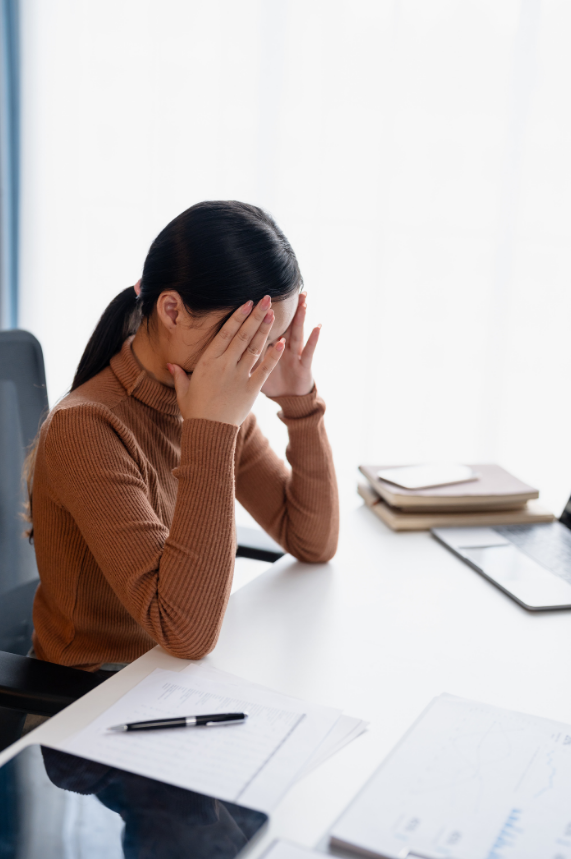
Sometimes you might feel wired and unable to slow down. Other times, you may feel like your brain just wants to shut down. You can’t focus. Making one more decision feels exhausting. Things you normally handle without thinking suddenly feel like too much. You might want to sleep, zone out, or do absolutely nothing.
That can be part of the stress response too. When you’ve been carrying a lot, feeling mentally drained doesn’t necessarily mean you’re lazy or suddenly unmotivated. Sometimes your brain and body are simply telling you that they’ve had enough for right now.
Your appetite can change too. Some people realize they aren’t very hungry when they’re stressed, while others notice more hunger or cravings, especially for foods that are quick, comforting, or easy. Stress can affect digestion as well, which may show up as changes in bowel habits, bloating, nausea, or just feeling like your stomach is “off.”
It can also affect sleep, energy, mood, and recovery. And because our stress-response system communicates with other hormone systems in the body, ongoing stress can influence reproductive hormone signaling too.
This doesn’t mean one stressful week is going to throw all of your hormones out of balance. Our bodies are more resilient than that. It simply means that when something feels different, it can be helpful to look at the whole picture instead of assuming you’re doing something wrong.
Pay Attention to the Little Signs
Maybe your workout feels harder than it normally does. You’re more tired or sore. Your sleep or digestion changes. You’re not as hungry as usual, or you’re noticing more hunger or cravings. Your patience is a little shorter. Your brain feels foggy or you don’t have the mental energy you normally do.
Or maybe you just don’t quite feel like yourself.
One off day doesn’t mean something is wrong. We all have those. But when you start noticing a pattern, it might be time to check in with yourself.
Recovery Counts Too
We’re really good at celebrating the things we do—the workout, the miles, the productive day, everything we crossed off the list. But recovery matters too.
Sleep matters. Eating enough matters. Hydration matters. Rest days matter. Slowing down sometimes matters. And sometimes the best thing you can do is adjust.
Maybe you lift a little lighter, take a walk instead of doing the hard workout you planned, stretch, go to bed earlier, or take the day off. That doesn’t mean you’re giving up on your goals. It means you’re paying attention to your body.
Before automatically pushing through, take a minute and ask yourself: How did I sleep? How is my energy? How does my body feel? Have I eaten enough? What else am I carrying right now?
Some days your body is ready to be challenged. Other days it needs a little more recovery. Both are part of taking care of yourself.
We’re probably never going to eliminate stress completely. And we don’t necessarily want to—some stress helps us grow, adapt, and become stronger. But we can get better at noticing when our total stress is starting to pile up and giving ourselves what we need.
Because sometimes strength is pushing yourself, and sometimes strength is knowing when not to.
